When the United States eventually returns to space after the shuttle program is retired next year, “we can go back to the moon and on to other planets,” Apollo 8 astronaut William A. Anders said at the Museum of Flight in Tukwila recently.
Anders, a retired major general in the US Air Force Reserve, was keynote speaker at a private luncheon hosted by the museum and the Seattle Symphony honoring the Apollo missions. It was held on the 40th anniversary of the launch of Apollo 12 – the second mission to land men on the moon.

Astronaut William A. Anders was one of the first three persons to have left Earth orbit and travel to the Moon. Photo credit: NASA, 1967
In remarks given between symphonic works at the concert, Anders, the lunar module pilot on the Apollo 8 mission – the first manned lunar orbit mission, recalled that President Kennedy, determined “to demonstrate that America was not second rate … and would not lose the missile gap,” would land a man on the moon by the end of the 1960s.
“And that was done,” added Anders, whose reflection on the Apollo 8 mission, “We came all this way to explore the moon, and the most important thing is that we discovered the Earth,” has become a famous quote.
Even more famous are his pictures, the first taken of the earth from the moon, including “Earthrise,” which he took on Christmas Eve, 1968:

William A. Anders' "Earthrise" is the first photo taken of the Earth from the Moon.
“The space program today,” he said at the Museum of Flight, “has had some spectacular flights … and spectacular successes with the space shuttle. But the shuttle will be grounded next year.”
Now NASA is working on new space vehicles, and with the vision of companies like Boeing and leaders like Bill Allen, the long-time CEO of the aerospace giant, the United States “will go back into space.”
| Jan ’09 |
| 10 |
| 7:30 pm |

Seahurst Park is having a Moonlit Beach walk this Saturday, Jan. 10th from 7:30pm to 9:30pm. There is no charge, but it will be cold so participants are asked to bundle up, bring a bright flashlight with good batteries, wading boots, warm hat & dry gloves.
Naturalists will be on the beach during the full moon at low tide to share information and guide walks.
Here’s a blurb from the Seahurst Environmental Science Center website:
Imagine you’re on the shoreline at a lovely low tide.
Rocks that are covered all year lie exposed to view while the sea animals remain happily cold and wet in the dark.
All around you, people with flashlights are intently studying the amazing and abundant sea life as local naturalists help you discover the wonders of your Puget Sound shoreline.
For more information contact Barb or Darrell Williams at (206) 901-1964.
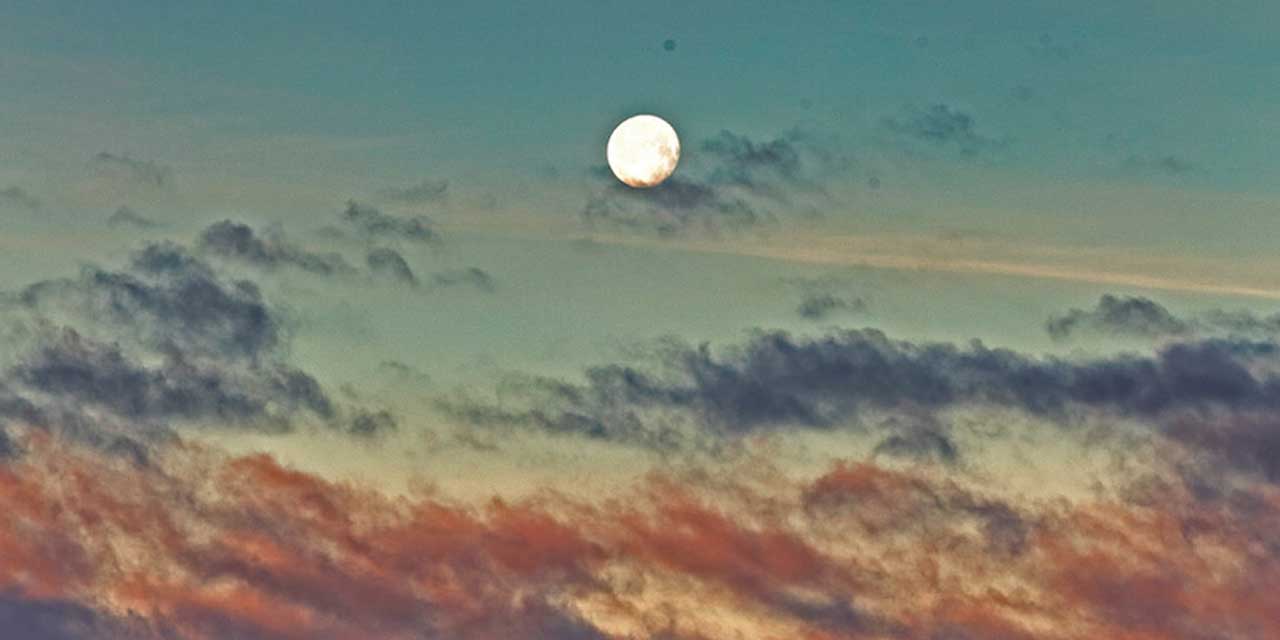
Courtesy BTB Reader Christine Halstead comes this scenic photo taken from her Burien home of the Moon rising over Mt. Rainier:

Have a cool photo you’d like to share here?